After decades of fund growth, Vanguard pivots
The Malvern-based fund giant has moved its focus to advice, private assets, bonds, and cash.

“Trees don’t grow to the sky,” the late Vanguard Group founder John C. Bogle Jr. was fond of warning — meaning that it’s a mistake to think happy days and profitable trends will go on forever.
Malvern-based Vanguard itself seemed to defy Bogle’s warning. Led by Vanguard’s index funds simulating the S&P 500 and other broad market benchmarks, founded 50 years ago on Aug. 31, Vanguard grew relentlessly, even accelerating after the dot-com bust and in the Great Recession, when rival Fidelity and other investment firms shrank and cut staff.
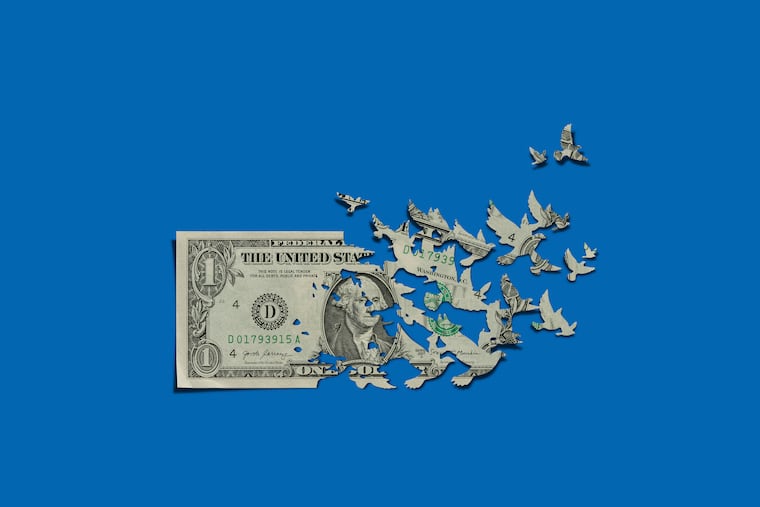
But data posted by Morningstar Inc. and confirmed by other investment trackers show Vanguard’s share of the U.S. mutual fund and exchange-traded industry, a business that now totals $40 trillion, has plateaued in recent years and actually shrank to 27% from 28% over the past year.
“SHOCK: Vanguard’s market share of US fund assets has begun to DECLINE after rising for 50 years,” Eric Balchunas, a Bloomberg LP fund analyst and author of The Bogle Effect, posted earlier this month on social media.
It’s not that Vanguard took its eye off the ball, Balchunas said in an interview. Like other fund groups, Vanguard has shifted some retirement-plan assets — it won’t say how much — into other accounts that don’t show up in the publicly traded fund listings.
But the shift marks the end of an era, he said, not so much a loss for Vanguard but “a dream realized” as the legacy of founder Bogle, who died in 2019. Fidelity, BlackRock, Schwab, and other Vanguard rivals “lowered fees and increased value” to shareholders because Vanguard’s strategy forced them to compete with low prices and simple products.
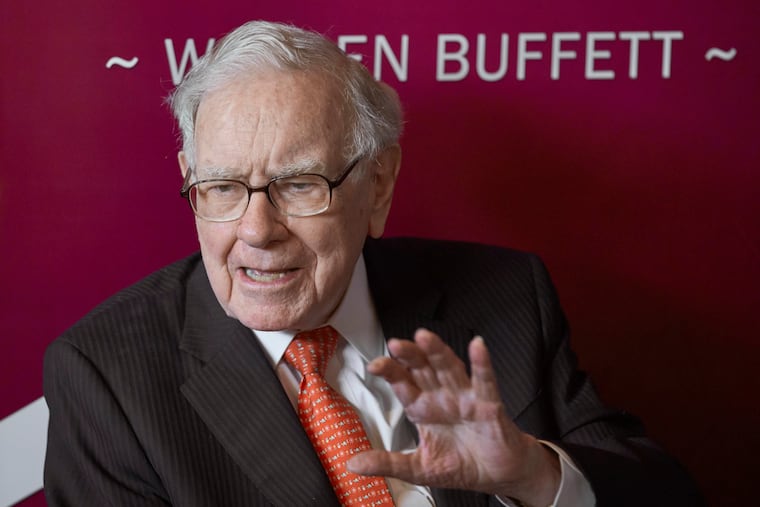
“Vanguard’s market share peaked a year ago,” said Jeff Del Maso, publisher of the Independent Adviser for Vanguard Funds, after reviewing industry data. “I see it more of a leveling off than a true decline. But where does the growth come from next?”
More Vanguard effects?
Salim Ramji, a former BlackRock fund executive tapped by Vanguard’s board in 2024 as the company’s first “outside” CEO, has outlined in public interviews some other areas where Vanguard hopes to transfer its energy. He declined to be interviewed for this article.
Under Ramji, Vanguard has:
Added dozens of new bond funds and other debt investments, which tend to attract investors when interest rates go higher, economic expansion slows, and stock prices slow.
Emphasized a new generation of cash savings accounts, years after Vanguard did away with its old bank-style checking accounts. Under Ramji, Vanguard has expanded promotion of its FDIC-insured Vanguard Cash Plus Account, with yields comparable to bank certificates of deposit in an effort to keep Vanguard customers from moving short-term money to banks and outside firms and to lure in new investors.
Added investor advice. Ramji’s predecessors built advisory services since the 1990s with phone-based, digital, and hybrid systems. Seeing a big still-untapped market, Ramji in August agreed to pay $4.6 billion for Altruist, whose founder, self-described Bogle disciple Jason Wenk, developed Hazel, an “AI-forward” financial tech and custody platform popular with independent investment advisers who sell Vanguard funds. Wenk will run the business, separate from Vanguard’s Digital Advisor and Personal Advisor units, when the deal closes.
Partnered with Wellington Management and Blackstone to launch private investment funds, starting in July. WVB All Markets quickly topped $1 billion, according to managers at Wellington, which expects to issue its first list of the private companies it has bought for the fund after Sept. 30. WVB All Markets and a smaller WVB Blackstone All Privates fund are being sold for now through Bank of America and its Merrill Lynch affiliates.
But Ramji has stopped short of following other investment houses into predictions markets and cryptocurrency investments.
“We believe investments deliver cash flows or have prospects of cash flows,” which these speculative investments don’t, Ramji said last month in an interview with Peter Mallouk of $800 billion asset, Kansas-based financial adviser Creative Planning LLC. Ramji compared such products to “a slot machine where the house always wins. That does harm to the individual investor.”
Avoiding activism
Under Ramji, Vanguard has promised not to use its extra clout — its funds own around 8% of most U.S. stocks — to pressure companies to change policies.
Vanguard has backed off “environmental, social and governance” commitments. In March‚ Vanguard agreed to pay $30 million to Texas and other Republican-run states to settle litigation alleging that Vanguard violated antitrust laws when it joined environmentally minded groups that sought to reduce U.S. reliance on coal and other carbon energy sources.
The settlement with the states helped lower Vanguard’s profile in the fraught world of political investing. Ramji went further than other firms. BlackRock and others sued by the states have so far declined to settle similar lawsuits.
Analyst Balchunas is bullish that Ramji has cleared the way to reach more customers, extending “the Vanguard effect,“ even if its fund business has plateaued for a time.
“The Vanguard effect is bigger than Vanguard now,” Balchunas said.