Kindergarten vaccine exemptions jump to another record high
The new CDC data released this week shows a continuing decline in childhood vaccination rates and rise in exemption rates.
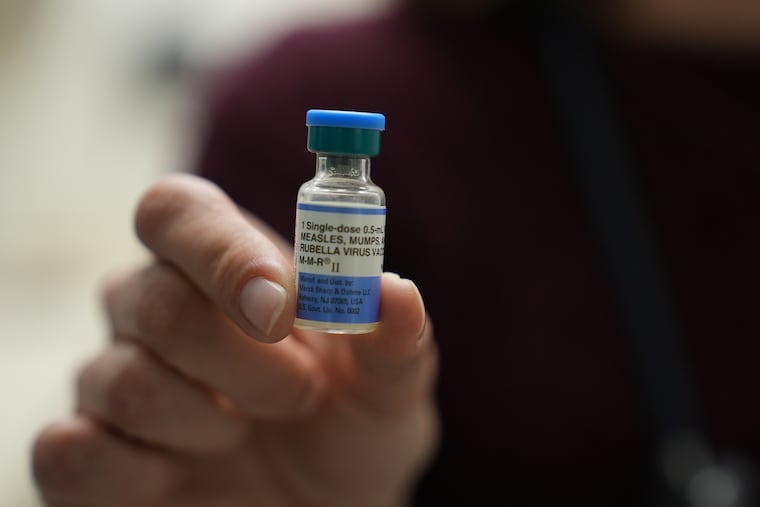
The share of U.S. kindergartners with exemptions from school vaccine requirements for the 2025-2026 school year rose to another record high, according to federal data posted Monday. The sharp increase from 3.6% to 4.2% seeking exemptions — about 155,000 students — extends a yearslong erosion of childhood immunization rates as the country battles its worst measles resurgence in 35 years.
As exemptions increased, U.S. kindergarten vaccination rates fell slightly for all reported vaccines from the year before. Coverage for the major vaccines required for kindergarten — MMR (measles, mumps, and rubella); DTaP (diphtheria, tetanus, and acellular pertussis); poliovirus vaccine (polio); and varicella (chickenpox) — decreased in more than half of states for the second year in a row, the CDC said.
The latest numbers from the Centers for Disease Control and Prevention arrive as President Donald Trump and Health Secretary Robert F. Kennedy Jr. seek sweeping changes to the childhood immunization schedule.
Trump last week directed federal health officials to move toward giving the measles, mumps, and rubella vaccines separately rather than in the combined MMR shot and to space out childhood vaccinations over more medical visits. The combined shot has been a cornerstone of measles prevention for decades, and separate measles, mumps, and rubella vaccines are not currently available in the United States.
The proposal defies guidance from major medical groups and is directly at odds with CDC’s own scientific guidance.
“No published scientific evidence shows any benefit in separating the combination MMR vaccine into three individual shots,” the agency says on its MMR vaccine safety page as of Monday. Elsewhere on CDC’s website, the agency says combination vaccines reduce the number of injections children receive while providing the same protection and may help more children get recommended vaccinations on time.
The new CDC data released this week shows a continuing decline in childhood vaccination rates and rise in exemption rates, and what’s at stake as the administration seeks to remake federal vaccine policy.
The biggest factor in the increasing exemption rate came from families seeking nonmedical exemptions, the data shows. Exemptions increased across a broader expanse of the country last year, rising in 41 states and the District of Columbia, compared with 36 states and the District the previous year. Twenty-four states now report exemption rates exceeding 5%.
In terms of vaccine coverage, the data shows that 92.4% of kindergartners had received the required two doses of the MMR vaccine during the 2025-2026 school year, down slightly from 92.5% the previous year. Before the coronavirus pandemic, the rate was 95%, the level at which it is generally considered unlikely that a single infection will trigger a disease cluster or outbreak. The number of kindergartners attending school without documentation of completing the MMR vaccine series was about 280,000 during the 2025-2026 school year.
Coverage for other required childhood vaccines also declined, dropping to 92% for DTaP, from 92.1% the previous year, and to 92.4% for polio, from 92.5% the previous year.
“Measles and other infectious diseases don’t stop at the classroom door,” said James Campbell, chairperson of the American Academy of Pediatrics committee on infectious diseases and a professor of pediatrics at the University of Maryland. “That’s why school entry requirements matter: They protect and keep entire communities safe, and experience shows that when parents receive clear, trustworthy information from health professionals, they’re far more likely to choose vaccination.”
On Friday, CDC reported 2,566 confirmed measles cases so far this year, 101 more than the previous week’s tally and already exceeding the 2,289 cases recorded during all of 2025. Ninety-three percent of the cases were in people who were unvaccinated or whose vaccination status was unknown.
CDC made no mention of the record increase in exemptions in a statement accompanying Monday’s data, and stopped short of directly encouraging parents to vaccinate their children. Instead, CDC said that it “continues to encourage parents to discuss vaccination options with their doctors.”
If parents are worried about what shots their children need for school, they should keep in mind that states, not the federal government, generally set vaccination requirements for school attendance, public health experts say. As of Aug. 11, 30 states had announced that they are no longer relying solely on federal guidelines for their own childhood vaccine recommendations, according to KFF, a health policy organization. Many state health departments have said they will rely on external expert groups such as the American Academy of Pediatrics instead.
Decades of research involving millions of children have established the safety and effectiveness of the MMR vaccine. Two doses of the vaccine are about 97% effective in preventing measles, which can result in serious complications, including pneumonia, swelling of the brain, and, in rare cases, death from respiratory and neurological complications, according to CDC. Extensive research has found no link between MMR vaccination and autism.
The White House has said its proposed changes to the immunization schedule, which also call for reducing the number of universally recommended vaccines, are designed to align the United States with its peer nations. But peer nations like Denmark, Australia, and Canada give MMR immunizations in a combination vaccine. Britain this year began replacing the MMR shot with a four-in-one vaccine that also protects against chicken pox.
Sen. Bill Cassidy (R., La.) blasted Trump’s overhaul of the childhood vaccine schedule Sunday, saying it will raise costs for patients and make vaccines less accessible. Trump has defended the move as sparing children from the combination MMR vaccine, which he said was “sort of like a nuclear weapon.”
“Now instead of your child getting two shots, she has to get six shots,” Cassidy said Sunday on ABC’s This Week. “Instead of … you missing work to take your child to the doctor two times, you’re doing it six times. And instead of the insurance company paying for two visits, it’s now paying for six visits.”
The collision between the White House’s vaccine agenda and the scientific guidance of the agency charged with carrying it out also presents an immediate test for Erica Schwartz, who began work as CDC director last week.
During Schwartz’s confirmation process, senators repeatedly pressed her on whether she would defend scientific evidence if Kennedy or other administration officials sought changes unsupported by it. Cassidy ultimately supported her nomination after initially expressing concerns, saying after additional conversations that he was confident Schwartz “knows what she is doing and will stand against those who do not.”
Even though CDC is responsible for federal vaccine policy following recommendations from its independent vaccine advisory committee, scientists at the agency said they did not know that the executive order was coming, and officials are unsure of what it means for the agency.
The White House is calling for Kennedy’s Department of Health and Human Services Task Force on Safer Childhood Vaccines to craft proposed changes within 90 days. The long-defunct panel was revived last year after a push from anti-vaccine activists. That task force makes recommendations that aim to improve vaccine safety, not to determine the optimal vaccine schedule, public health law experts have said.