Blending traditions at core of bicultural weddings
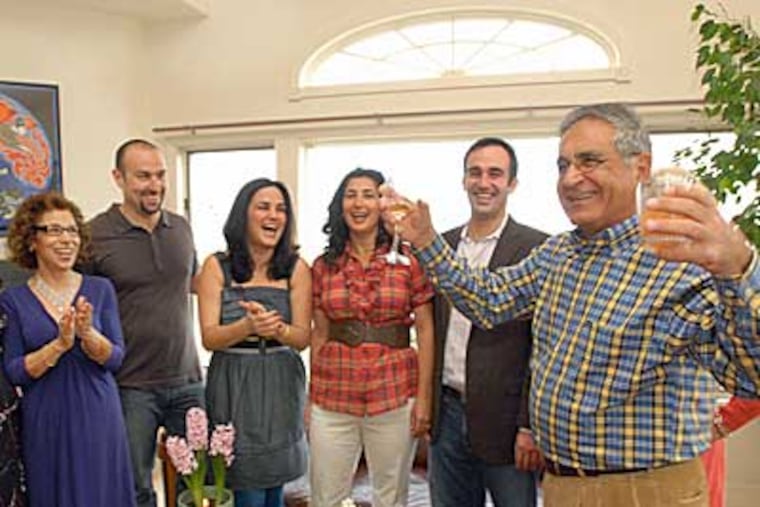
Planning a wedding is hard enough with one set of traditions. When a couple comes from different cultural or religious backgrounds, however, they must integrate both of their traditions into their special day. Some cross-cultural couples get particularly creative, blending traditions with help from family and wedding planners. Ultimately, though, they follow their own sensibilities to select the rituals that resonate the most with them and represent their style as partners.
"The wedding is really the culmination of having had those conversations and celebrated cultural events together already," Carroll says. "We make sure
"We tell couples not to shy away from the concept of blending the two cultures," Ambra says. "A unique celebration can be created that is very personalized, respectful, and represents both values and beliefs. And that's so vital."
The Friday before the wedding, they will unite their families with a Persian-catered Shabbat dinner. Before the Jewish wedding ceremony, when they sit down to sign their ketubah, or Jewish marriage license, Tabari's aunts will perform an ancient Persian wedding ritual. While two people hold a stretch of lace over the couple's heads, the aunts will grind over it large sugar cones, signifying sweetness in marriage.
There will also be a sofreh-ye aghd, an elaborate tablecloth of items such as eggs, spices, and wild rue that symbolize elements of good fortune. As is customary at Persian weddings, an extravagant spread of fruits and pastries will open the reception before dinner is served.
"I'm really excited about bringing together the two traditions our families have," says Ungar, 28. Tabari, 31, agrees. In fact, the extra research has added an element of family bonding, she says. "It's a way to share with each other where we come from, and it's an excuse to spend time talking to my aunts and find out what they did at their weddings."
Their biggest piece of advice? It's the same as any engaged couple's. "Other people will give you ideas, but the vision of the wedding should be yours alone," Ungar says.
They'll start under the draped mundap, or wedding altar, where they will exchange garlands, symbolizing their acceptance of one another. A pandit, or priest, will chant Vedic hymns and light the ceremonial fire into which Chen and Rekhi will make offerings of ghee and samagri to invoke peace and harmony. Finally, they will walk the seven steps around the sacred fire seeking the blessing of Lord Vishnu.
After, while guests sip cocktails, Chen will slip out of her red and gold lengha and into a white, beaded
Finally, as a nod to Chen's Chinese roots, she will change into a modern qipao, a fitted, Mandarin-collared dress, as the two enter the
It might sound overwhelming, but Chen and her fiance see the wedding as a reflection of not just their union, but also of their two families, she says.
"It's important that the day reflects and pays homage to both sides," she says. "Since culture is so integral to who we are, it was just a natural fit for us to make our wedding into this unique blend."
———
GETTING STARTED
Have a discussion as a couple about your values and beliefs.
Identify those elements of your faith or culture most important to you.
Discuss your ideas with your ceremony officiant.
Together, decide how to integrate these traditions or rituals into your ceremony, reception, rehearsal dinner or other wedding festivity.
Involve family members and friends in your unique ceremony or celebration.