SEPTA has a new, ambitious plan that offers funders a vision of better transit
Selling doom hasn't worked for SEPTA, so it's pivoting to an upbeat approach in the quest for funds from Harrisburg.
After another high-wire financial rescue from the state, SEPTA leaders are determined to flip their script in the transit funding debate from warning of calamity to showing what the system could be with more investment.
“I wanted to get away from the doom and gloom message,” SEPTA general manager Scott A. Sauer told The Inquirer.
The transit system has been chronically underfunded, but “we never pivoted to ‘Imagine what we could be if we got more than just enough,’” Sauer said.
And so on Tuesday, SEPTA is putting out “Accelerate,” its strategic vision for the next decade with investments in a new trolley fleet with stations instead of corner stops, new subway cars for the El, and a reimagined Regional Rail service with more frequent service on critical lines, many in the city.
When those and other, smaller changes are in place, SEPTA says two million people in the region will be within a quarter mile of frequent transit service — up from 900,000 today — and 100% of all trips will go through an accessible station. Today only about 60% of rail and subway stations are accessible.
It’s an ambitious goal, and that’s deliberate, Sauer said.
“You can inspire people to action when you show them what they could get for their investment,” he said.
The idea for a message shift developed as SEPTA representatives and supporters advocated for more state funding last year and lawmakers said that they didn’t have a concrete picture of what SEPTA wants to be and what that would take.
Instead of a demand, the report is framed as a menu of choices for legislators, local officials, business leaders, and the public.
SEPTA projects a structural operating deficit of $192 million in the coming fiscal year. If the state meets that, current levels of service would be preserved along with some improvements.
Beyond that — including a plan to reorganize Regional Rail so trains run every 15 minutes on lines in the city and some suburbs — would require more funding. As would making 50 old stations ADA accessible.
“If you ask me how much do you need, I would say I need enough to do what the people want us to do,” Sauer said.
Last year, Harrisburg lawmakers and the Shapiro administration failed for the third straight year to agree on a steady source of new state funding for SEPTA and other transit agencies.
By the start of the 2027-28 fiscal year next July 1, the temporary aid for operations SEPTA received in 2025 will run out, and things will get tight again.
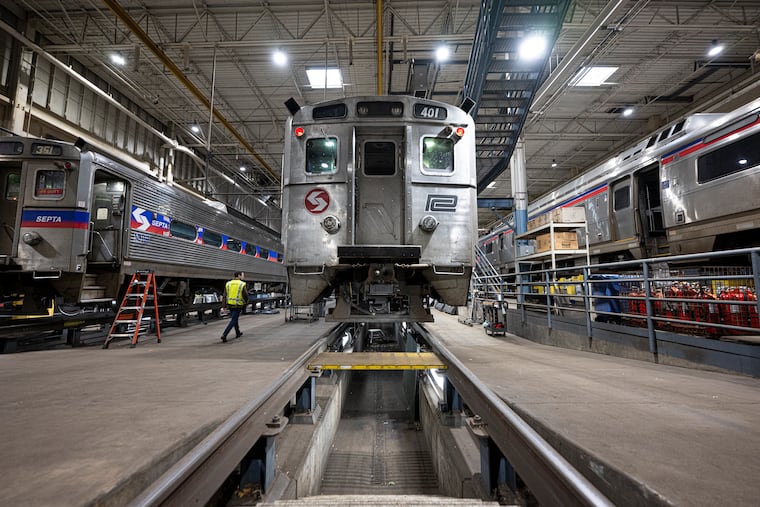
Already, some of the promised improvements are underway, including procurements of new rail vehicles: El cars, trolleys, and Silverliner Regional Rail cars to replace 50-year-old Silverliner IV models.
In 2025, five of those cars caught fire, and the federal government ordered a massive safety inspection and repairs, as needed, for all 223 of them.
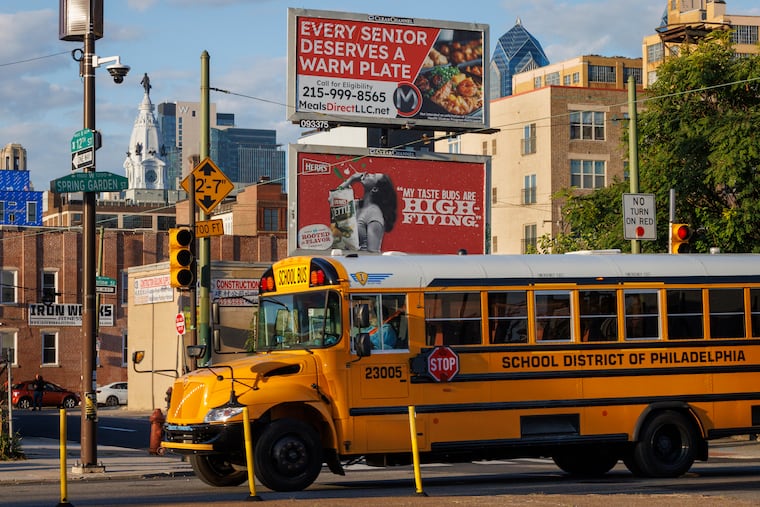
Last month, SEPTA implemented the first phase of a major overhaul of its bus network, aimed at streamlining service and having it come more frequently.
The transit agency also says it has found about $30 million in annual savings, as well as increased income from advertising, parking, and real estate, and a spike in ridership during a busy summer of big events.
Sauer said SEPTA needs to chip away at changes right away, using what’s at hand, rather than waiting to accomplish a big project in a decade.
“We can’t have everything all at once, so we are trying to move methodically,” he said. “We have to show people continual improvement.”